Back to works Back to works

Patagonia quartzite kitchen island: a contemporary design sculpture

Pistore Marmi > Works > Patagonia quartzite kitchen island: a contemporary design sculpture
Verona, Italy

A contemporary project immersed in the heart of Veneto

Between Lake Garda and the city of Verona, in an area where nature and architecture coexist harmoniously, stands a modern villa with a bold and refined character.

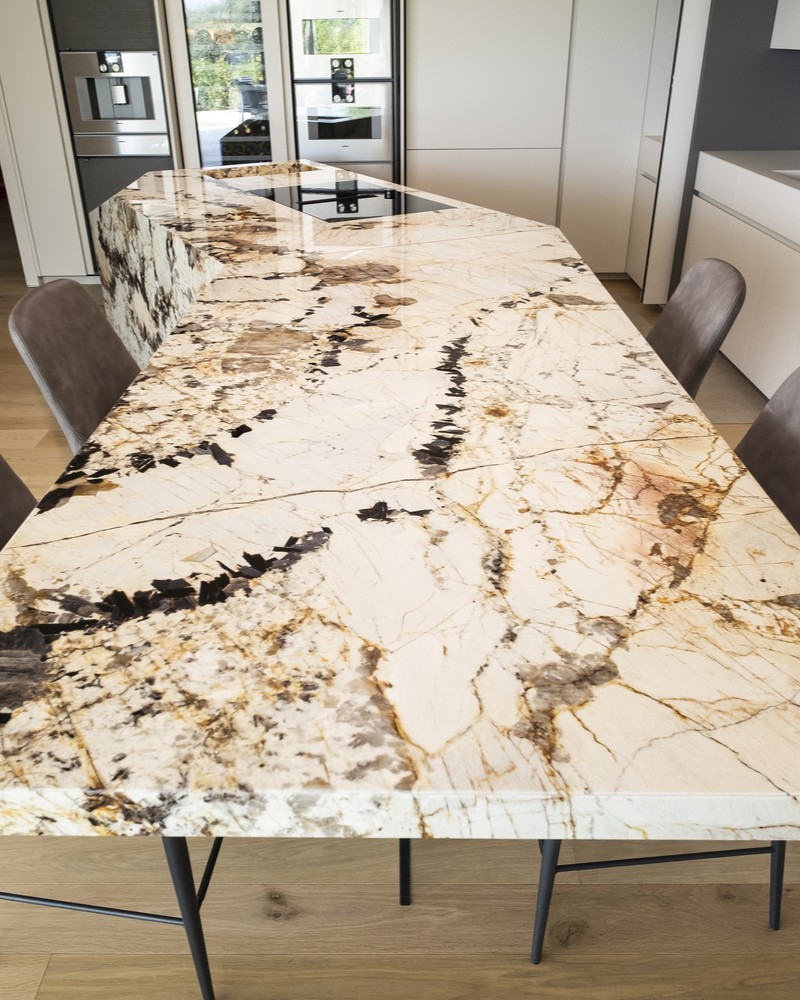
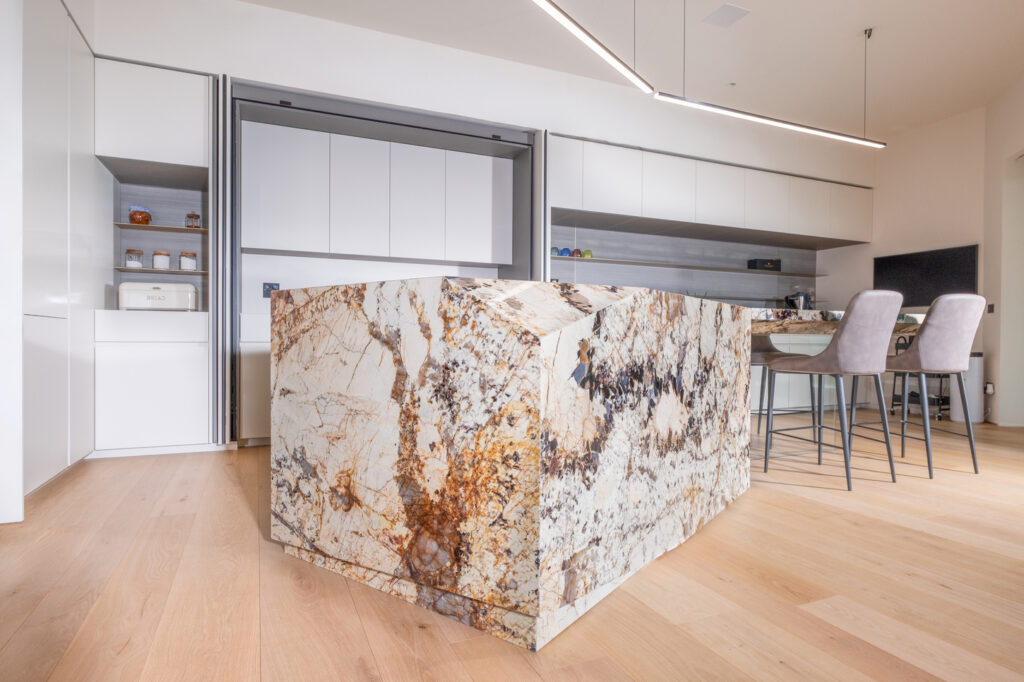
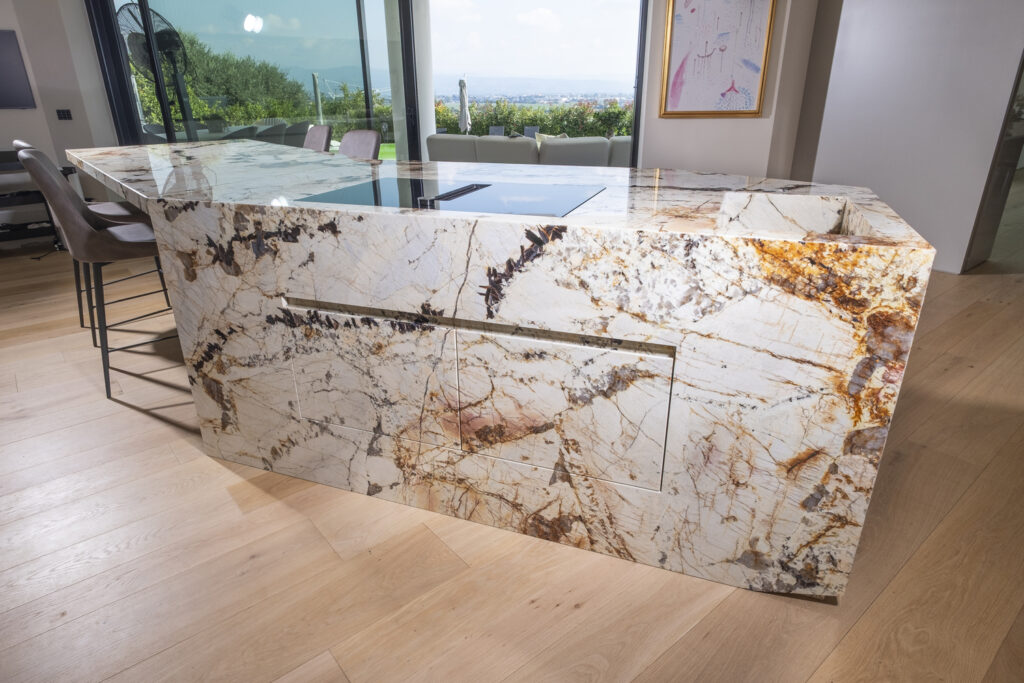
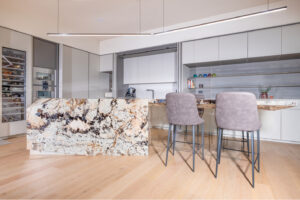
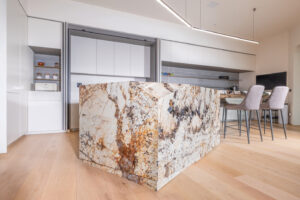
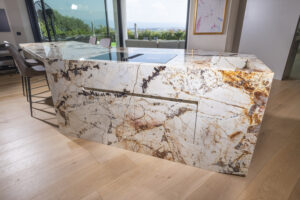
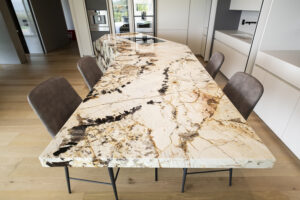
As part of this renovation project, overseen by architect Federico Cappellina, Pistore Marmi has created a central element of the living space: a large kitchen island in Patagonia quartzite, designed as the aesthetic and functional focal point of the living area.

This project combines craftsmanship, technology, and precision design, interpreting natural materials as an expression of contemporary design.

Marbles used

quarzite patagonia

Patagonia

Patagonia

quarzite patagonia

Selection and Interpretation of Materials

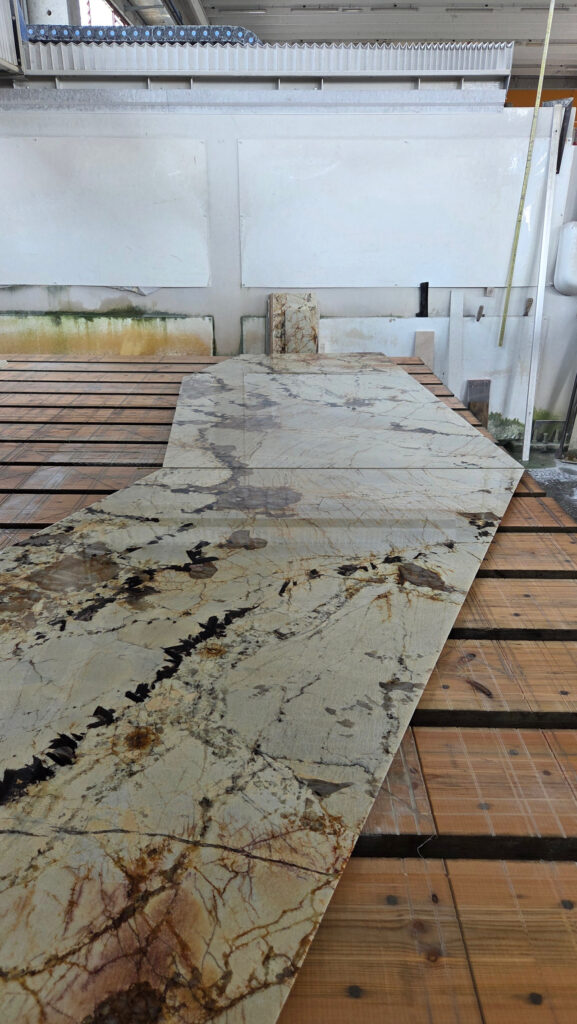
The kitchen island was created using slabs of Patagonia quartzite, a natural stone quarried in South America.

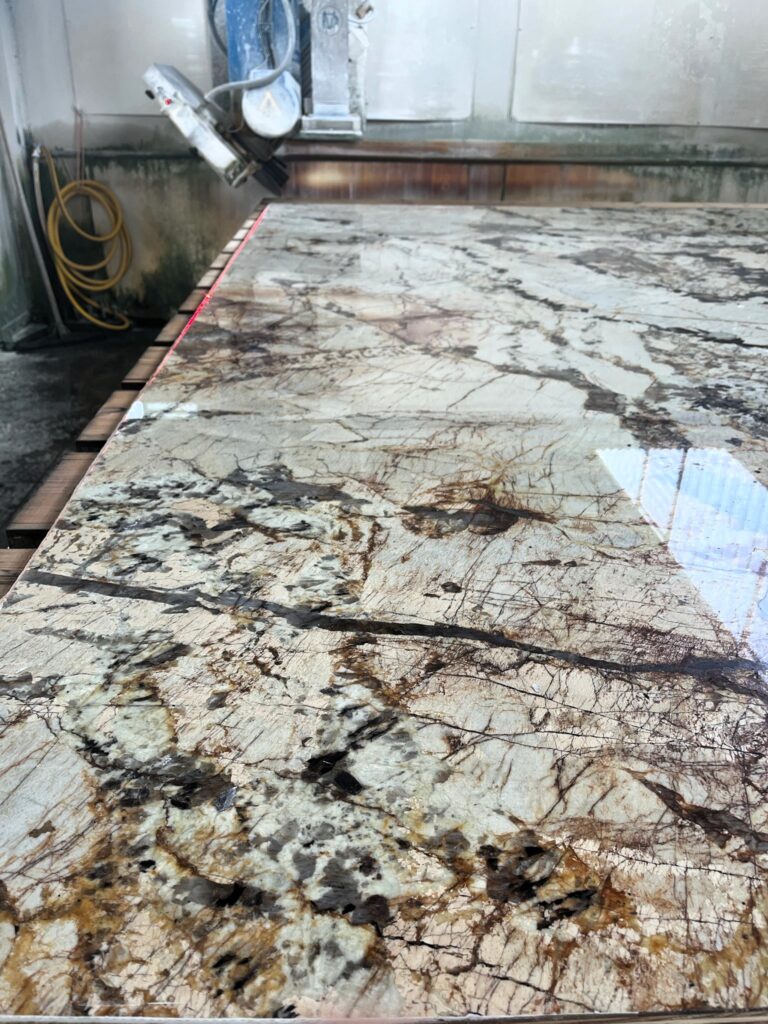
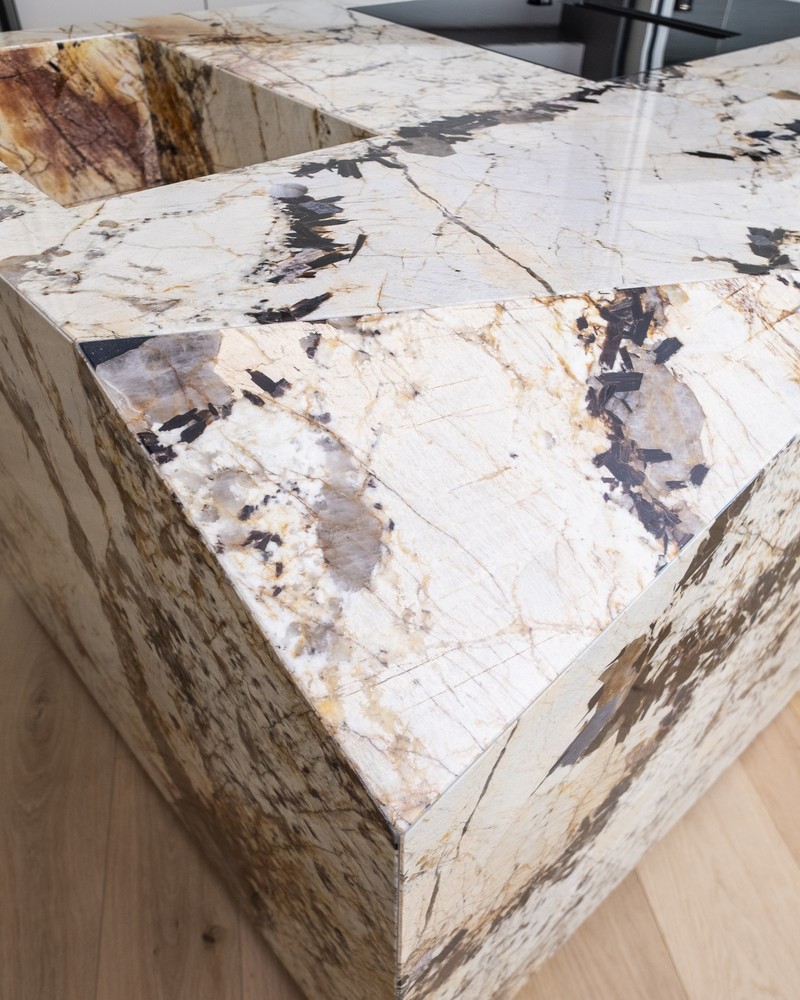
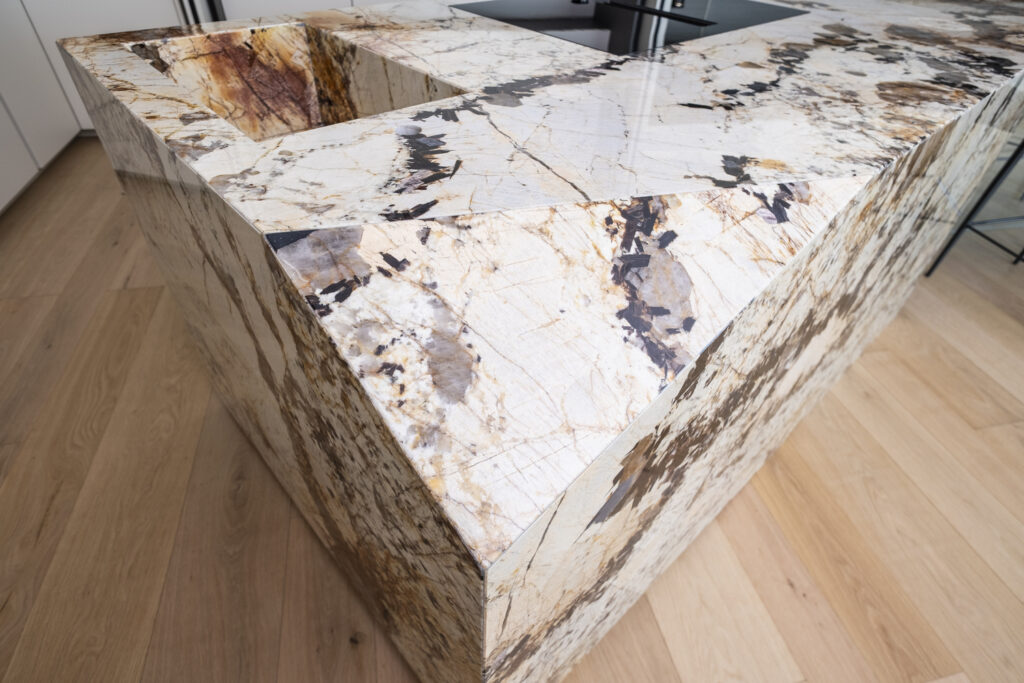
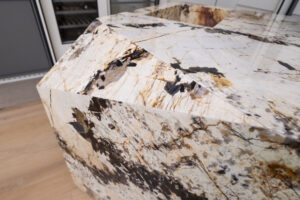
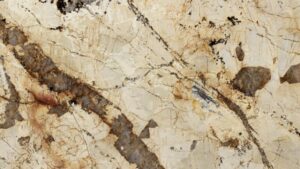
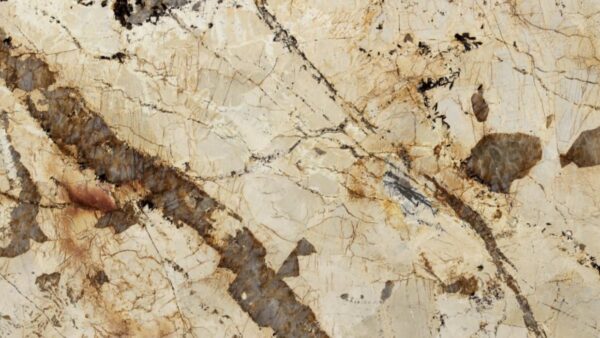
This extraordinary volcanic material is characterized by intertwining colors and minerals, with complex textures and chromatic contrasts that alternate shades of white, beige, brown, black, and gold.

Like all quartzites, Patagonia is an extremely compact and wear-resistant natural stone, making it ideal for use in the kitchen. It is harder than marble and much less porous, so it is more difficult to scratch or chip. It is also less prone to absorbing liquids and oil and can withstand high temperatures, which are useful characteristics in a working environment such as a kitchen.

The careful selection of slabs, overseen by the architect, was the starting point for defining the final aesthetic. The variety of colors and veins that characterize Patagonia made it possible to achieve the desired aesthetic goal: to enhance the natural “disorder” to create a unique work.

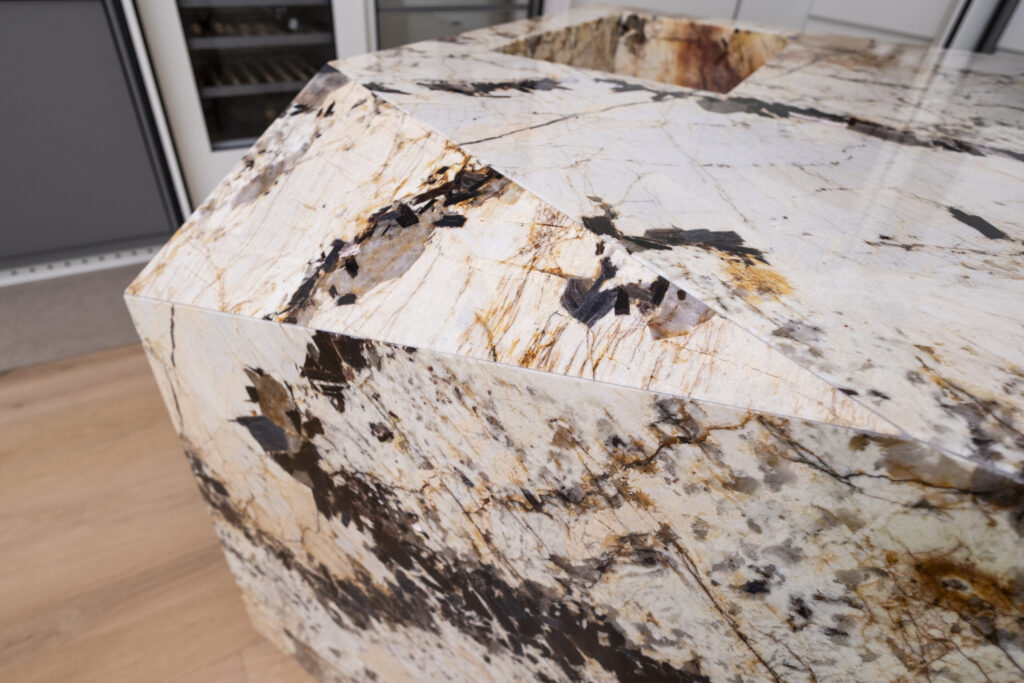
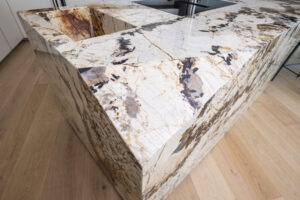
Unlike “book matching” or “continuous vein” designs, a free design approach was adopted, where the arrangement of the cuts was studied to enhance the individual panels and their mineral inclusions, creating an effect of “orderly disorder” (quoting Federico Cappellina), which celebrates the expressive power of stone.

Skill and an expert eye were crucial in choosing the most suitable portions of the slab to compose the different sides of the island, ensuring that the overall effect was dynamic and harmonious at the same time.
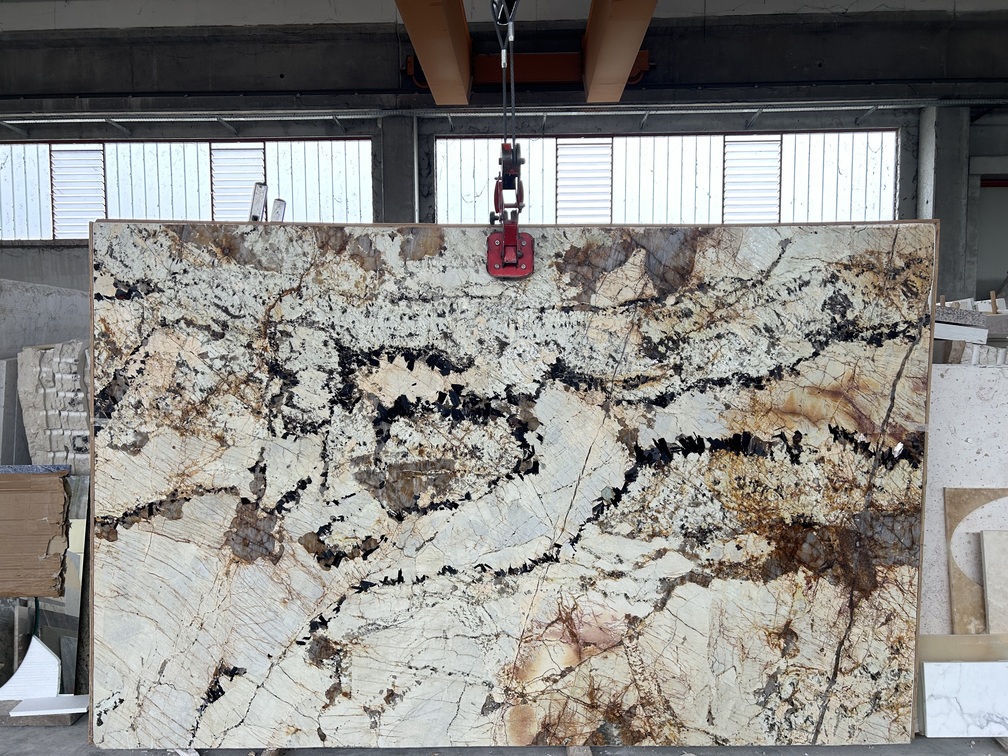
patagonia quartzite slab
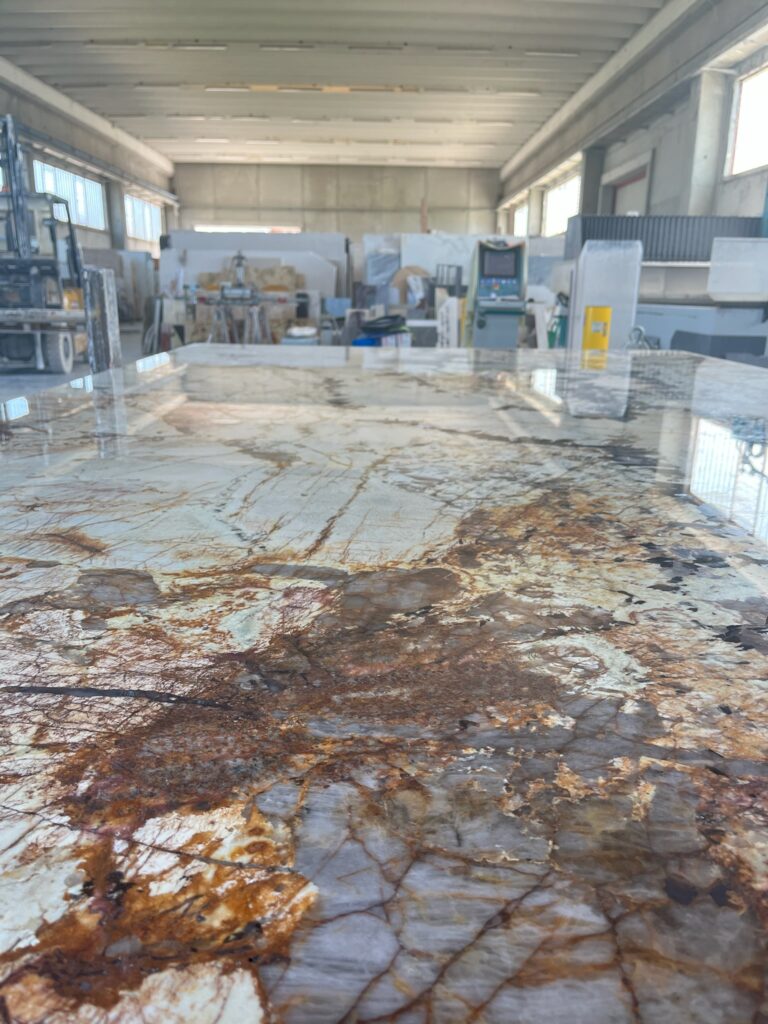
Patagonia quartzite detail
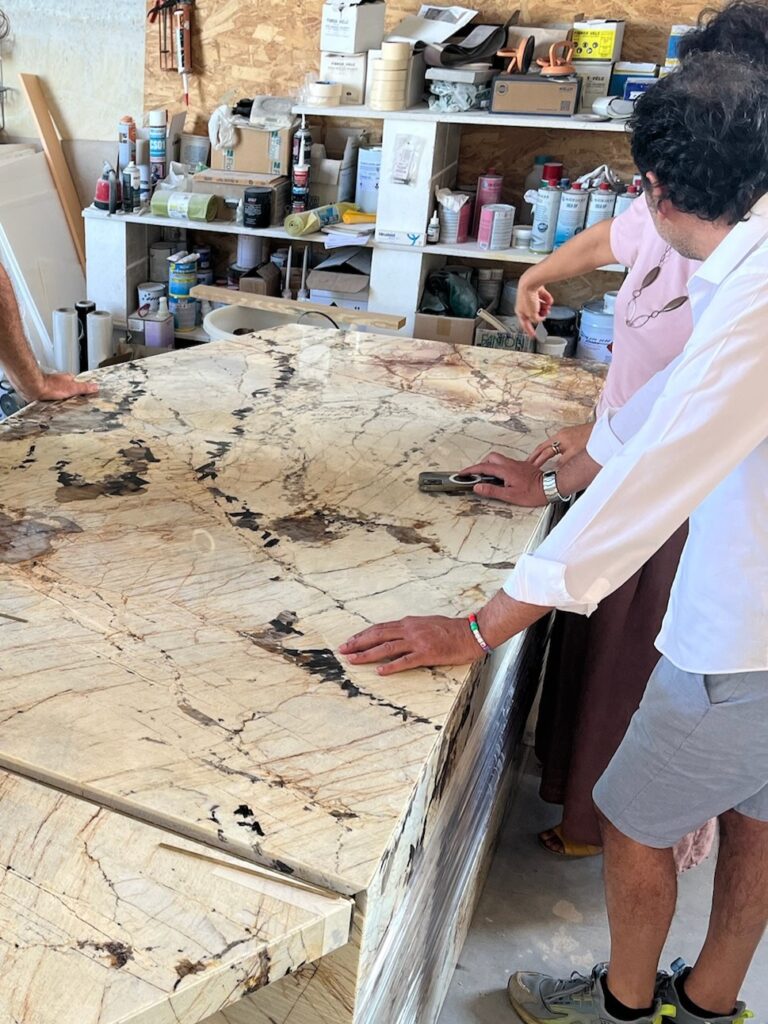
Patagonia quartzite processing

Tailored stone processing

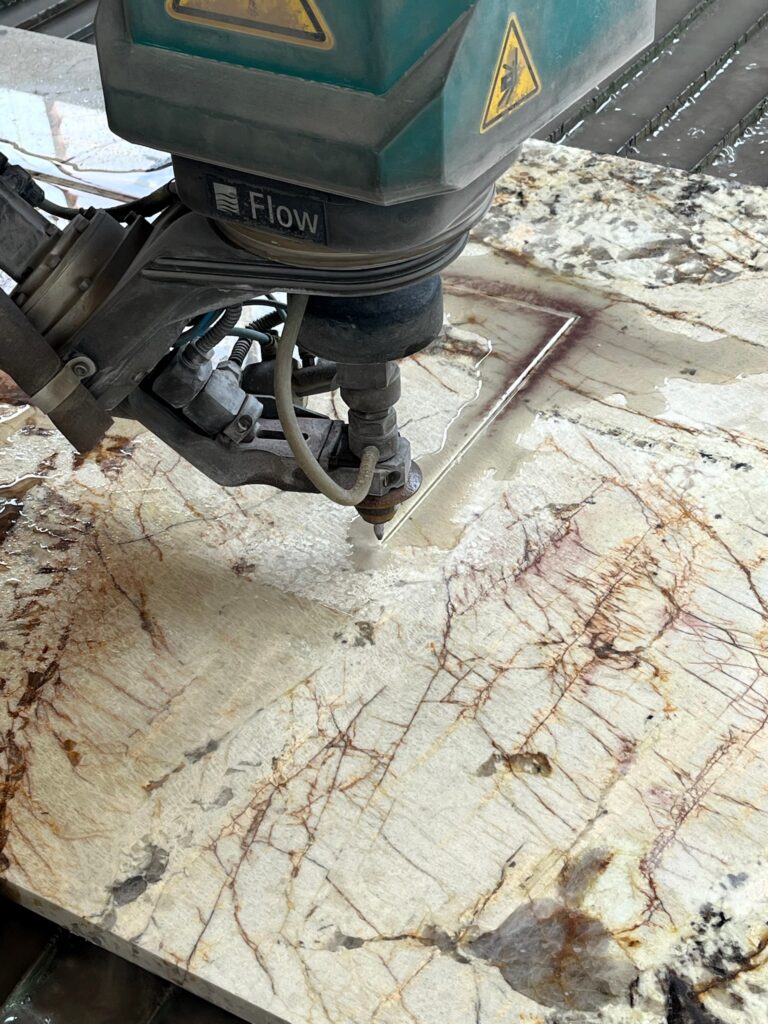
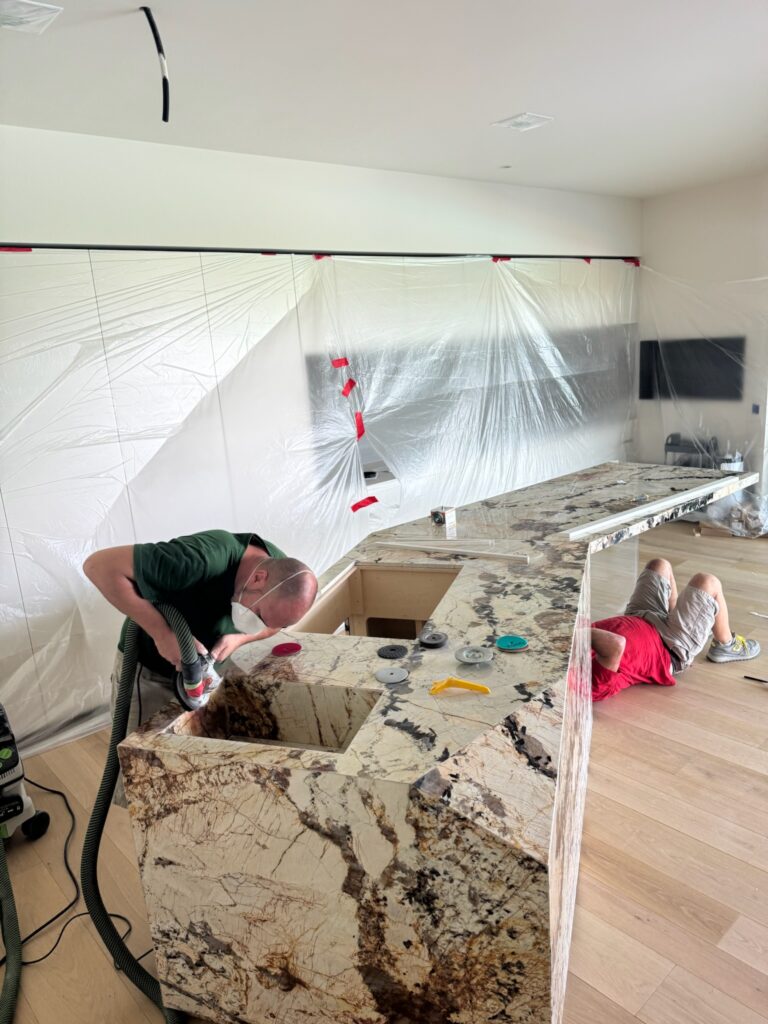
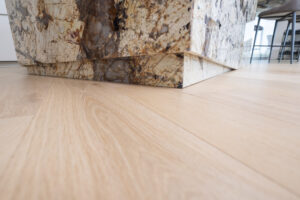
The slabs were cut using computer numerical control (CNC) and waterjet machines. The handcrafted finish and assembly of the various panels were carried out manually with the utmost precision to achieve the effect of a single block with clean, rigorous geometric shapes.

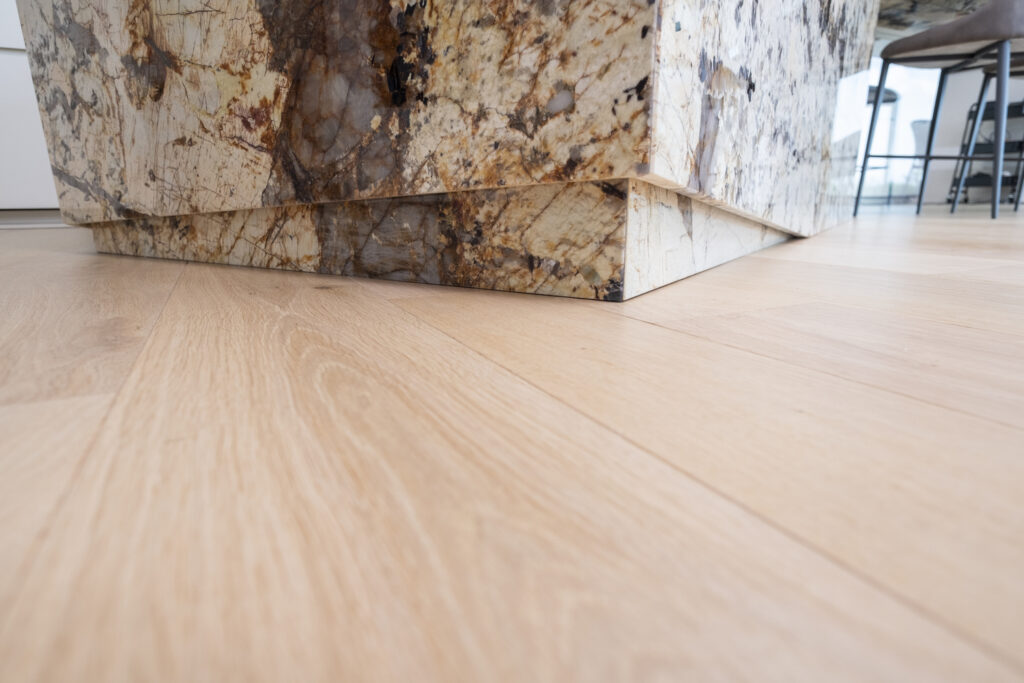
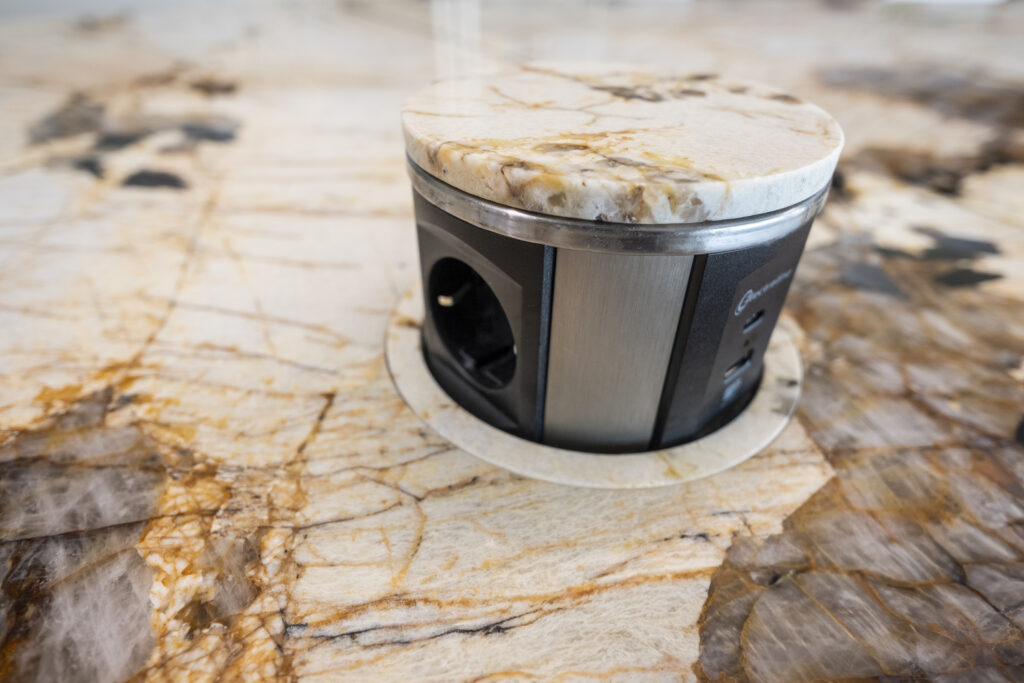
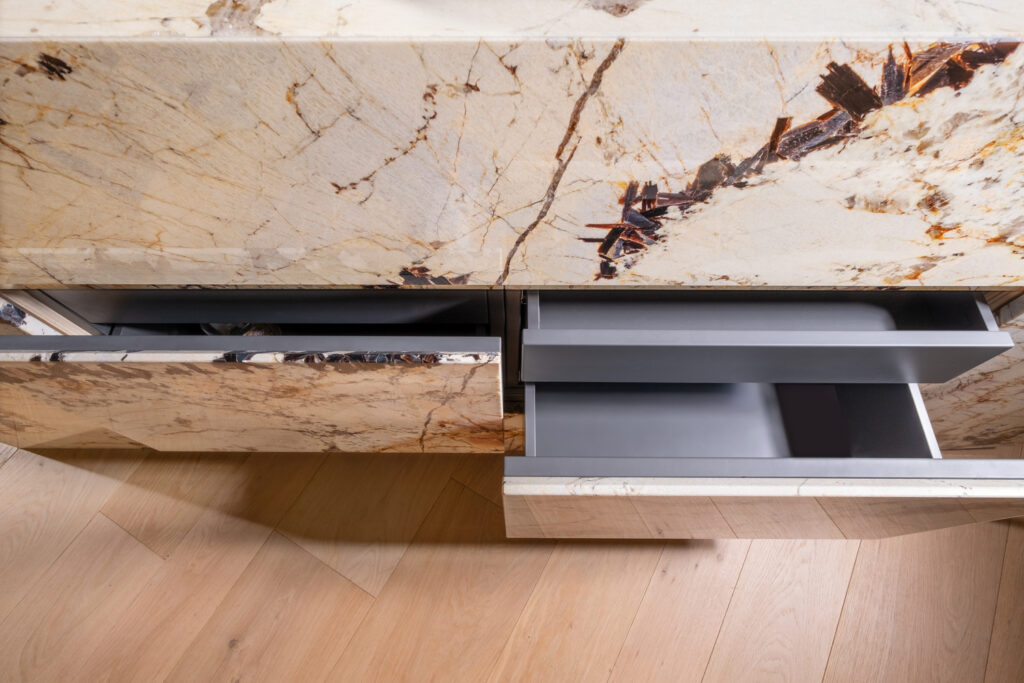
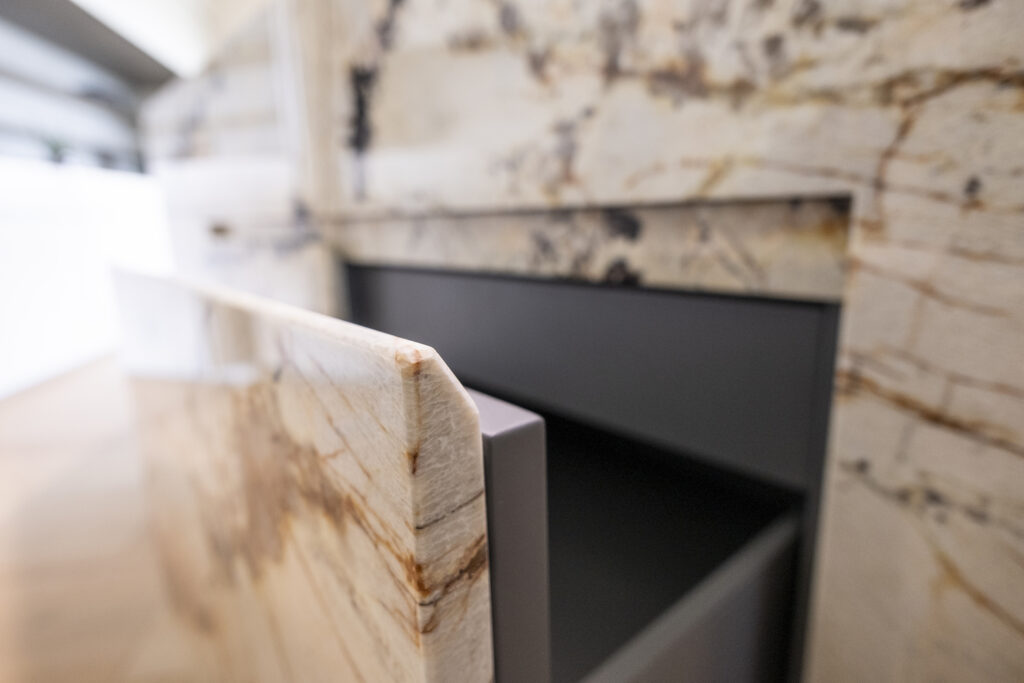
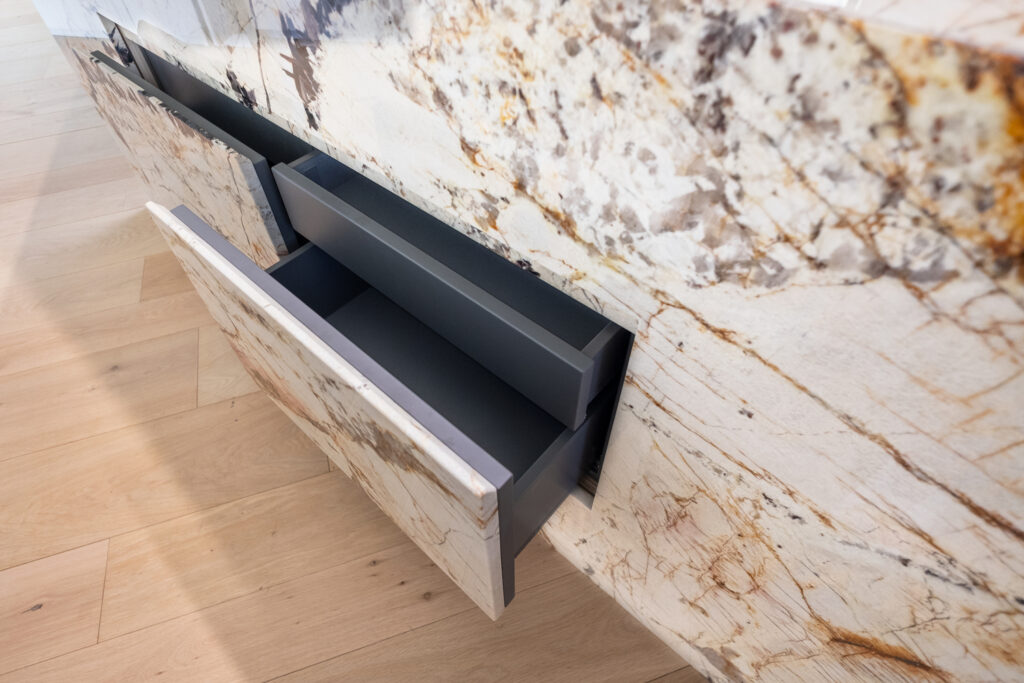
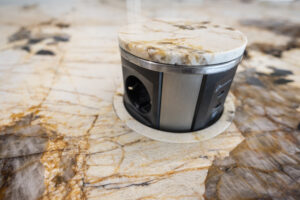
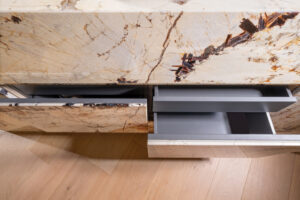
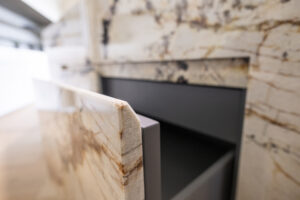
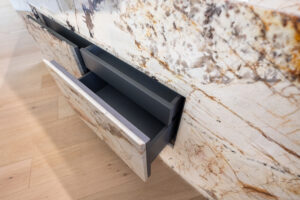
Every detail has been carefully considered: the drawers and power tower are entirely covered in quartzite, for a result of perfect aesthetic continuity.

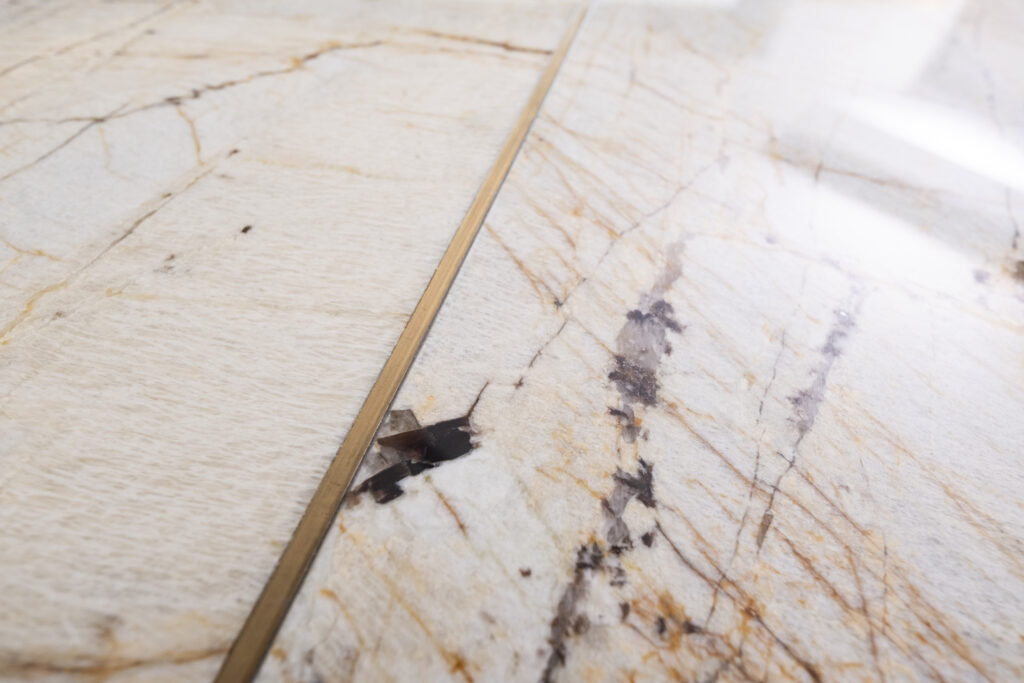
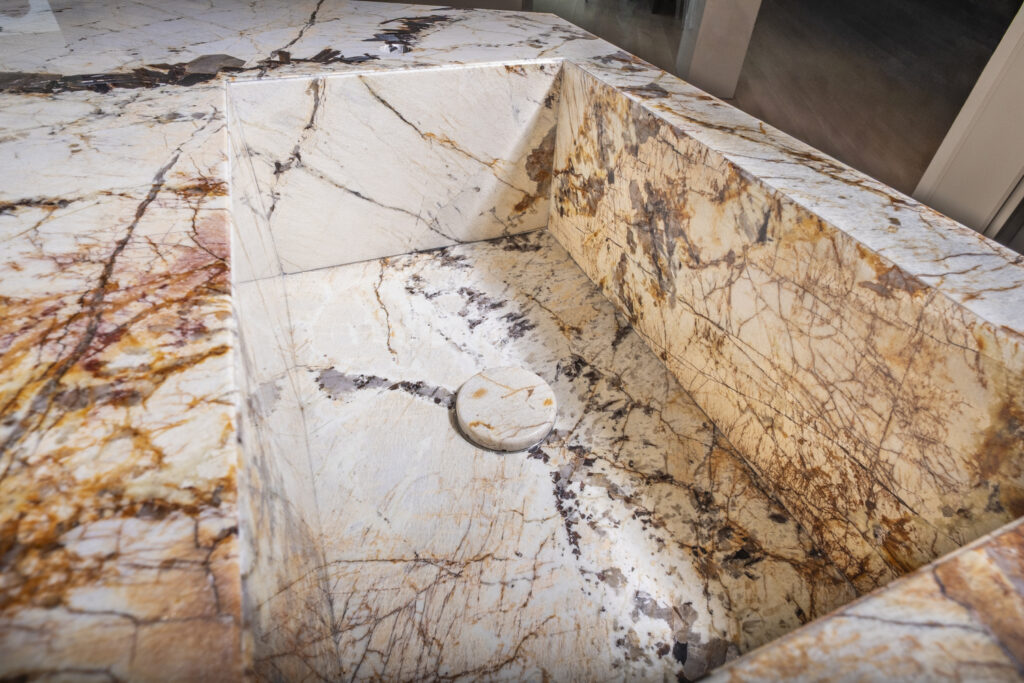
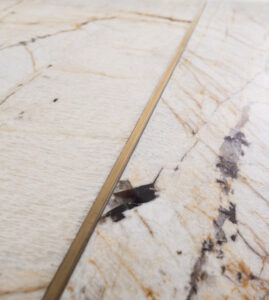
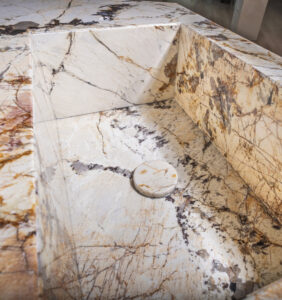
The integrated washbasin, made with a custom-made box, completes the composition, enhancing the material consistency of the entire project. The brass inlay, which marks the transition between the suspended and monolithic parts of the island, adds a detail of light and warmth without compromising the structural integrity.

patagonia waterjet cut
CNC cutting of Patagonia quartzite
installation of kitchen island in patagonia

Dialogue between architecture and Italian craftsmanship

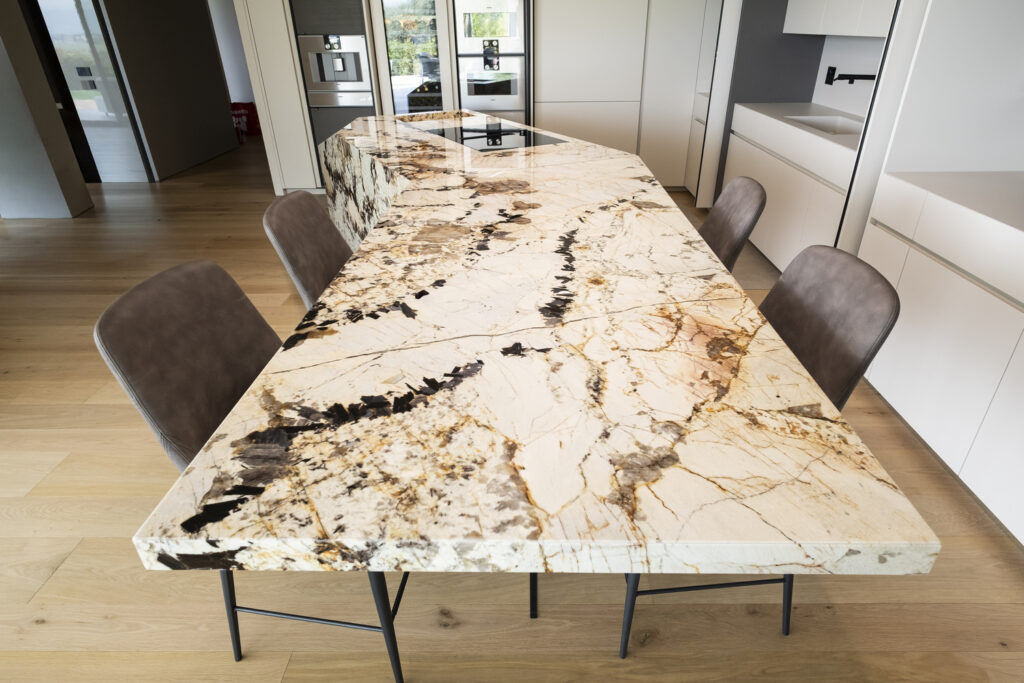
The creation of such a complex and spectacular element (4 m long, 2 m wide, and 90 cm high) requires deep synergy between the designer’s vision and the craftsman’s experience.

The collaboration between architect Federico Cappellina and the technical team at Pistore Marmi was fundamental from the very beginning. It was not a simple execution, but a constant dialogue aimed at translating the initial idea into an impeccable structural and aesthetic solution.

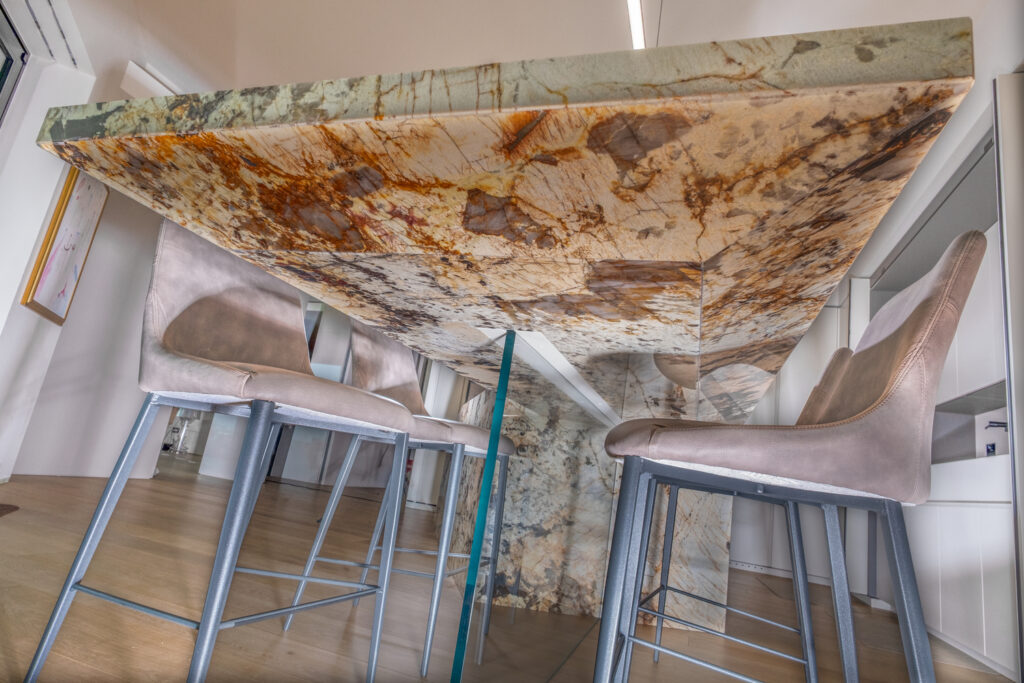
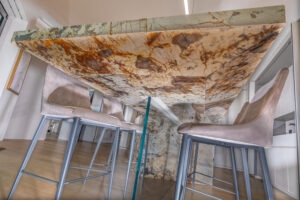
Crucial aspects, such as the creation of the overhang supported by a sturdy glass panel, the integration of the custom-made boxed sink, and the detail of the brass inlay, were the subject of careful joint analysis.

In particular, the 2-meter overhang, with a thickness of 12 cm, represented the most complex technical challenge of the project, requiring an extremely safe structural and aesthetic solution.

To ensure stability without compromising aesthetic cleanliness, high-transparency structural tempered glass was used. 18 mm thick but visually almost imperceptible, this glass is strong enough to support the weight of the quartzite.

The result is a surprising balance between lightness and solidity, where the material seems suspended in space, maintaining total functionality and a unique visual impact.

Through virtual prototyping and the sharing of know-how on the limits and potential of quartzite, it was possible to define the construction details that guaranteed stability, material continuity, and the desired “monolithic” effect, overcoming technical challenges with innovative and tailor-made solutions.

glass and marble kitchen island
washbasin in patagonia
brass inlay on patagonia

100% Made in Italy design and craftsmanship

This project is a perfect example of collaboration between Italian architecture and manufacturing.

Architect Federico Cappellina was responsible for the concept and artistic direction, while Pistore Marmi oversaw the design, production, processing, and final installation on site, transforming the design into a concrete and impeccable realization.

This work confirms how the synergy between design vision and craftsmanship can give rise to unique results, where marble and natural stone become the true protagonists of the space.

pre installation of kitchen island in patagonia
patagonia kitchen countertop overhang
patagonia kitchen island
An elegant villa where Italian marble and craftsmanship come together to create a masterpiece of design Marble, modern design and Art Deco: a luxury apartment in Monaco